


1
有產能,卻無繁榮
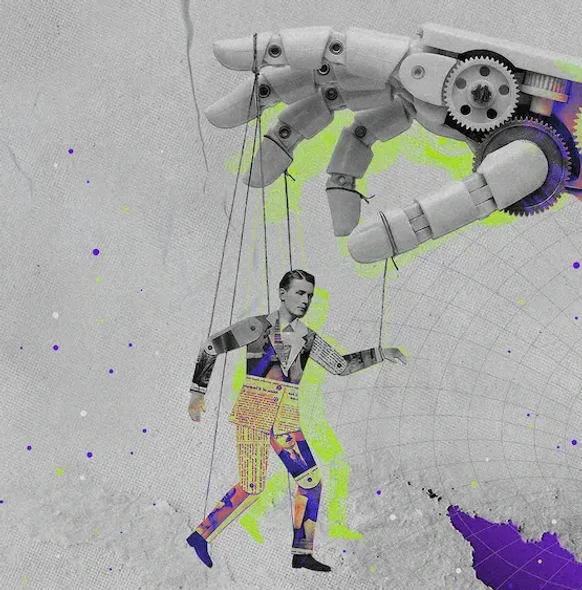
工作重組的速度,快過人們重新學習、轉換跑道的速度,成果因此到不了多數人手上。
理念/導論
AI 領域的心力與資金,多半都投向兩件事:讓系統更強大,以及讓它們對齊人類價值。
兩者都重要。但即使系統對齊得再完美,一旦進入還沒準備好承接它的經濟、政府與資訊體系,成效仍會大打折扣,甚至造成實質損害。
我們稱這件被忽略的工作為反向對齊(reverse alignment):著意重新設計制度、規範、技能與治理,讓社會能安全吸納 AI,並讓眾人共享成果。

工業化、電氣化與網際網路,都是先花了數十年發明配套的制度,好處才真正落地。裝配線時代的公司,長得就像裝配線;治理網際網路的機構,長得也像網際網路。
歷史告訴我們:這些調適不是技術變革的選配,而是它成功的前提。

若置之不理,
這道落差會帶來三種可預見的失敗。
1
工作重組的速度,快過人們重新學習、轉換跑道的速度,成果因此到不了多數人手上。
2
當生成文字、影像與程式碼的成本一路崩跌,真正稀缺的,反而是人類查核、標明出處、為產出背書的能力。
3
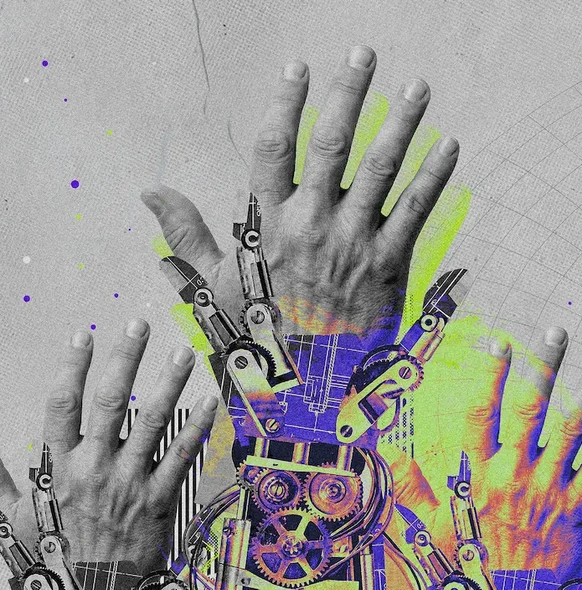
能讓制度如虎添翼的工具,也能讓權力更加集中——除非上訴與異議的權利同步跟上。

這些都不是注定的結局。
每一項都是忽視的後果——而忽視,是可以扭轉的。
未來十年的人類繁榮,繫於一系列社會技術重大挑戰。
建議摘要
AI 轉型的人與制度面,需要大規模且協調一致的投資,範圍橫跨身分、隱私、市場、治理、工作與知識。這些挑戰共用同一套架構、同一套方法,而且沒有任何單一領域能獨力完成其中任何一項。
*游標移上即可閱讀更多 *點選即可閱讀更多
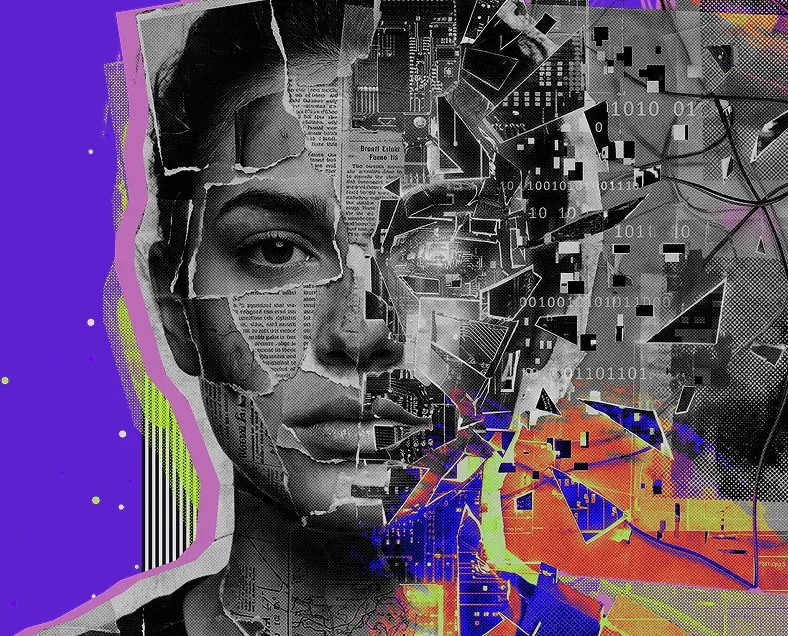
當偽造證件、生物特徵與合成人格的成本趨近於零,我們需要某種方法:既能證明此刻真的有獨一無二的真人在場,又不必透露他是誰。

AI 等於讓每個人都有了一位私家偵探;解方不是一味遮掩,也不是全盤攤開,而是一套讓人視情境揭露資訊的工具——該給多少就給多少,一分也不多。
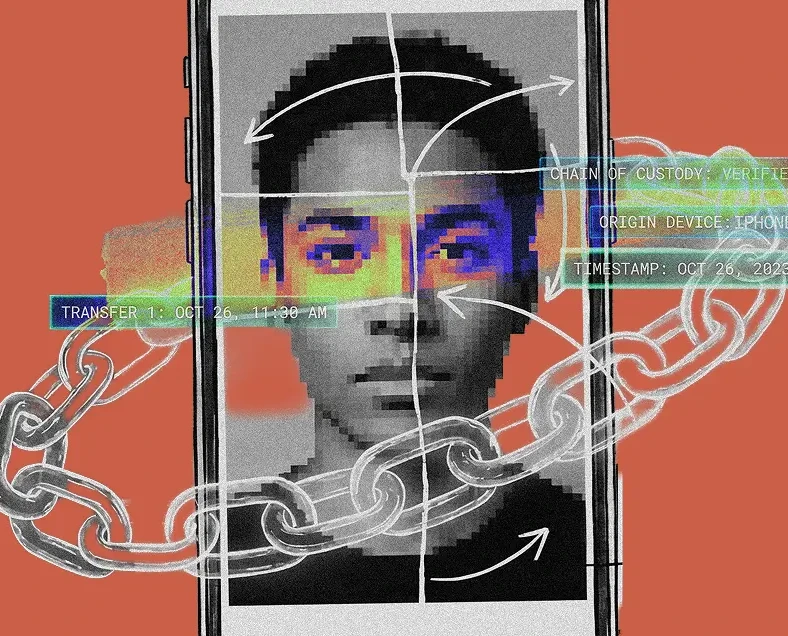
當以假亂真的偽造幾乎不費成本,知道內容從何而來,就成了維繫共同現實的關鍵。

訓練這些模型的人類紀錄,往往被無償取用;創造這些紀錄的人,理應獲得真正的市場與長久的報酬——而模型公司自家的衡量技術,早已證明這辦得到。

AI 代理要發揮最大用處,就得匯集彼此所知;這需要像人與人之間那樣建立信任——跨越不同供應商,而不是各自關在圍牆花園裡。
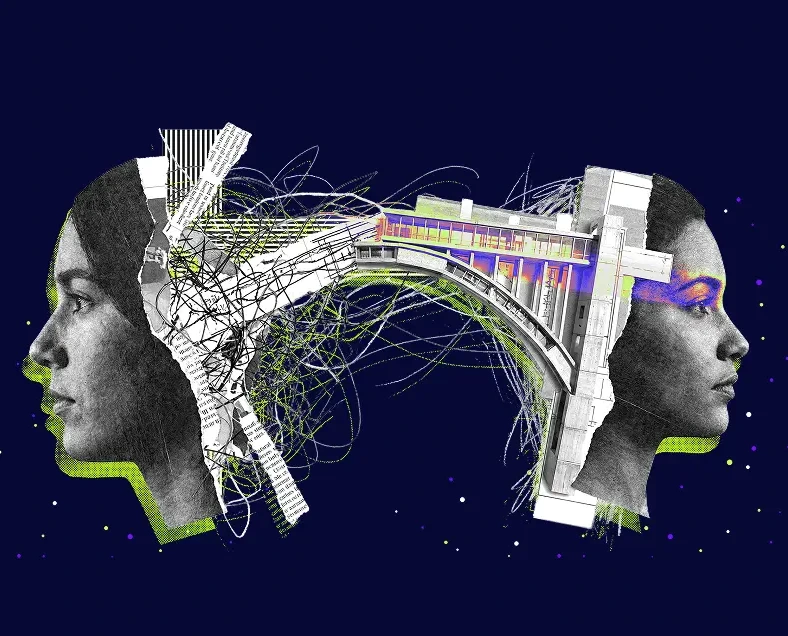
獎勵激憤、又讓人看不清誰和誰立場相近的媒體,其實可以重新設計:讓共同基礎浮現,同時公允呈現真實的分歧。

蓬勃社群凝聚出的權威,必須轉化為調度資源的實權;這意味著參與和代表機制都得跟上時代,也少不了那些不起眼卻不可或缺的落實工夫。
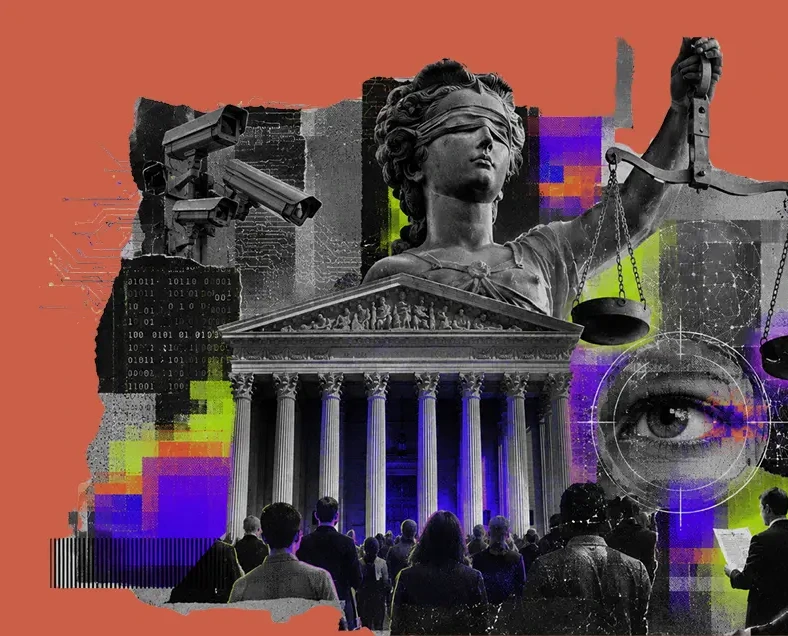
AI 壓低了監控與執法的成本,天平因此倒向行政權;要恢復平衡,就得為監督、異議與上訴打造對等的能力。

AI 生產力紅利的瓶頸,不在個人的速度,而在組織能否重新設計,接得住湧現的創造力與能動性。

模型產出假說與草稿的速度,已經超過同儕審查消化的速度;但同樣的工具只要用對地方,也能讓真正原創、打破藩籬的研究獲得應有的回報。

教學、學習與認證原本綁成一包,AI 把它拆開了——學校必須講清楚哪些能力真正重要,也得證明人們究竟學會了什麼。
現行的勞動體系,是為單一雇主的大規模裁員而設計的,應付不了 AI 帶來的那種持續、細緻的工作重塑;它需要帶得走、看得懂的職能憑證,以及即時的再訓練。
獨到的 主張
社會如何吸納新的通用型技術,其實有跡可循:勝出的制度,往往長得就像那個時代主流的思考架構。
工業時代以標準化會計與裝配線來組織認知,於是長出相互對應的層級式、分部式制度:公司、中央銀行,以及布雷頓森林體系下特許的多邊組織。網際網路時代改以分層協定與分散式路由來組織認知,於是長出分層、協作式的機構:標準制定組織、通訊合作社,以及 RFC 的開放流程。
神經網路帶來了第三套語法。它們表示事物時,靠的不是單一標籤,而是它在豐富空間中的位置。它們綜合分歧的輸入時,衡量的是每個輸入如何牽動其他輸入——找出共同結構,卻不把差異平均掉。它們歸屬功勞的方式,是追溯每一份貢獻對結果的實際影響。
當制度與技術說著同一套語法,紅利就會到來;語法不合,紅利就會卡住。工廠電氣化後將近二十年幾乎不見成效,因為廠房仍沿用蒸汽時代的佈局;直到整座工廠圍繞分散各處的電動馬達重新設計,生產力才真正兌現。
這個聯盟押的注是:真正能吸納 AI 的制度,會是把這幾套手法放大到整個社會來實現的制度。而我們的工作,就是刻意把它們建造出來。
論文
刊於 Noema —

對這個問題與整套議程最完整的公開陳述:三種失敗模式、從大眾民主到臺灣數位治理的歷史先例,以及完整的社會技術重大挑戰清單。建議從這裡讀起。
在 Noema 閱讀英文原文 (在新分頁開啟)工作論文 —
議程背後那條清晰的工程原則:制度為何會長得像當代的認知技術,以及照神經網路的樣子來建造,究竟是什麼意思。這是我們最獨到的論點,佐以歷史紀錄與技術對應。
即將推出《AI 造不出的事物》是一份寫給說故事者的指南,把這些挑戰化為創作者能直接上手的戲劇素材,每一項都附上高概念提案與編劇室提示。
建議背後的摘要簡報。
智庫 Institute for Progress 長期徵求提案文章,主題為具體而宏大的 AI 專案——社會技術(sociotechnical)提案同樣歡迎。獲選作者可獲編輯協力、一萬美元稿酬,並媒合慈善資金。
我們仰賴的每個制度,都曾經難以想像。直到故事讓夠多人在乎,人們才動手將它建成。AI 帶來的人類挑戰,並非抽象的政策議題,它們是未來十年最重要故事的原料,而且多半還沒被說出來。
我們為能說出這些故事的人,
做了一份指南。
《AI 造不出的事物》把每項挑戰逐一化為題材,交到寫作者手上:一個高概念提案,加上一組能直接丟進編劇室的提示——那位爭取在人生不同場域做不同自己的女人;那位紀錄片導演,拍出滴水不漏的作品,卻碰上同樣滴水不漏的反駁;還有那位富有、不可或缺、卻徹底匿名的資料貢獻者。
 觀看影片 (在新分頁開啟)
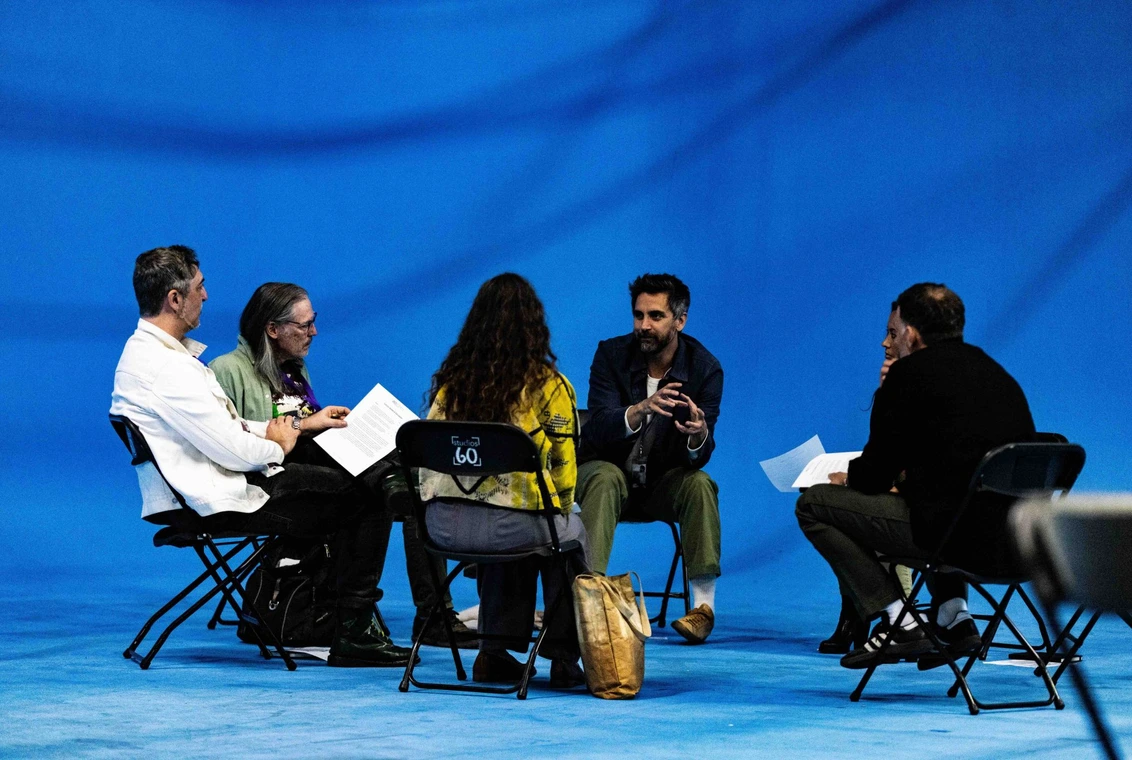
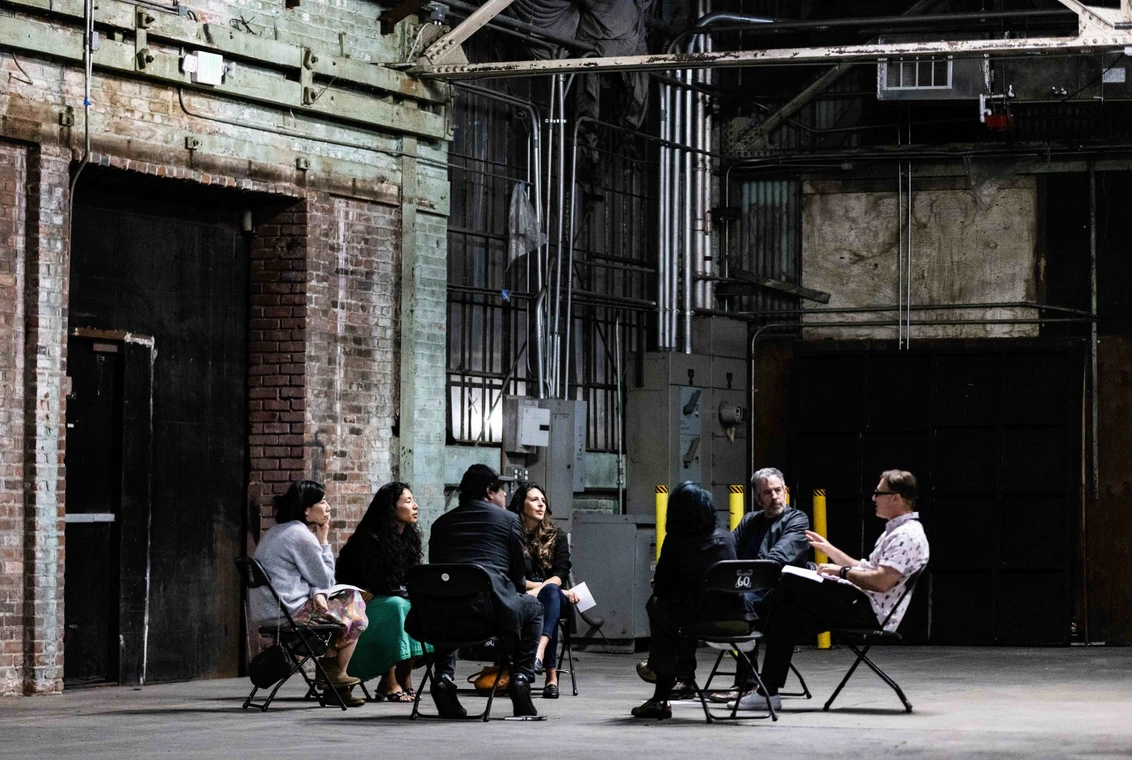
 看看我們如何把這些想法,帶進一百位電視編劇齊聚的現場。
觀看影片 (在新分頁開啟)認識這些挑戰
我們也和獨立創作者合作,用白話每次講清楚一項挑戰。每支短片聚焦一個問題——從如何在網路上證明自己是真人,到如何讓提供 AI 訓練資料的人獲得合理報酬——說明它為什麼重要,以及解方長什麼樣子。
首批影片即將上線。
我們資助把這些想法織進作品裡的說故事者。
如果你寫作、拍片、做遊戲,或者做的內容有人看,而你想把這裡的任何一項挑戰納入作品或重新詮釋,我們都想支持你。
你不必解釋政策。你只要讓人感受到,賭上的是什麼。
形塑這份工作的,是一群平常很少同桌的人。
AI 研究者與社會科學家、技術專家與公務員、資助者與公民社會的實踐者,來自不同地區,也抱持不同的政治立場。這樣的廣度並非巧合:我們倡議的方法——在真實差異中找出共同基礎,而不抹平差異——正是孕育這份工作的方法。
領域
使用篩選縮小範圍;輸入時結果即時更新。
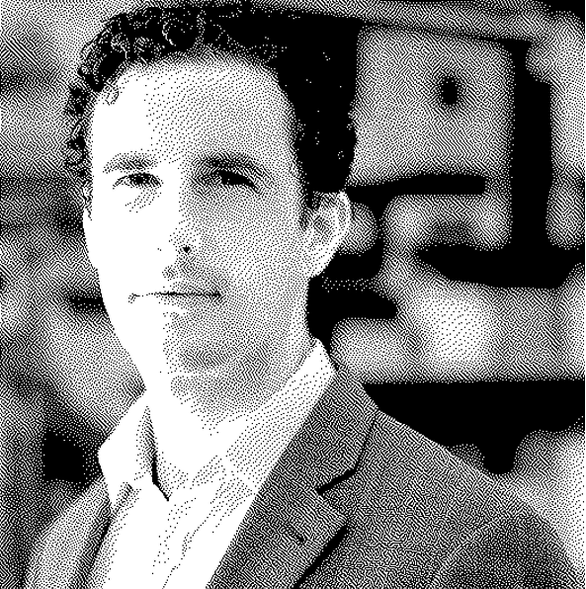
共同創辦人,RadicalxChange Foundation
他共同創辦並領導 Microsoft Research 旗下 Catalyst Lab 的 Plural Technology Collaboratory,以及 RadicalxChange Foundation、Plurality Institute 與 Faith, Family and Technology Network。他與 Eric Posner 合著《Radical Markets》,獲選為《The Economist》2018 年度好書;與 Puja Ohlhaver、Vitalik Buterin 合著〈Decentralized Society〉,成為 Social Science Research Network 歷來下載次數最多的論文之一;並與唐鳳及全球社群共同撰寫首部採民主治理、完全開放原始碼的書籍《⿻ 數位 多元宇宙》(2024)。他在生物學、商學、電腦科學、經濟學、法律、哲學與神學等領域的一流學術期刊發表過論文。Bloomberg Businessweek、Coindesk 與 WIRED 均將他評選為塑造商業與科技的重要思想家之一;他也是首批獲頒國際宗教自由重要獎項的科技工作者之一。他以 2007 屆第一名的成績自普林斯頓大學畢業,並於 2008 年取得該校經濟學博士學位。
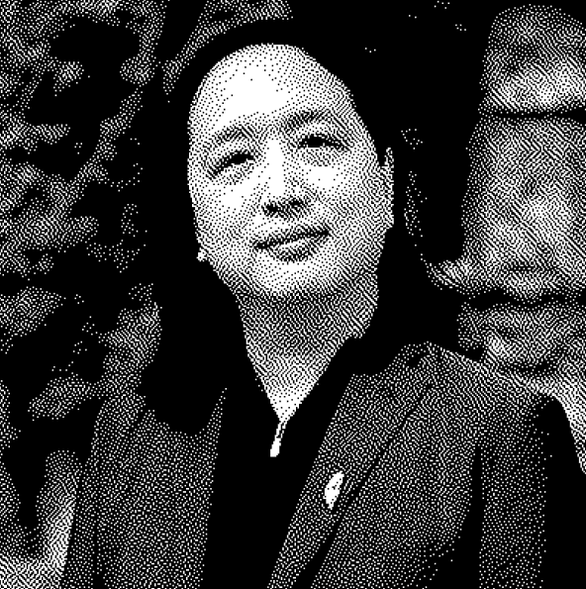
數位治理大使,🇹🇼Taiwan
公民黑客,與 Glen Weyl 合著《多元宇宙》(Plurality),並與 Caroline Green 合著即將出版的《仁工智慧》(Civic AI)。她是哥倫比亞大學國際公共事務學院全球政治研究所的卡內基傑出學人,也是 Oxford Institute for Ethics in AI 的首屆 Senior Accelerator Fellow。她曾任臺灣首任數位發展部部長(2022–2024);在此之前,擔任數位政務委員六年(2016–2022),也是全球首位非二元性別的內閣閣員。唐鳳是 g0v(零時政府)社群的重要推手,並在 2014 年太陽花運動中扮演關鍵角色,於占領臺灣立法院期間協助透過數位工具凝聚共識。於內閣負責數位事務期間,她藉由 vTaiwan、Join 等參與式民主平臺落實徹底透明;相關創新包括 COVID-19 疫情期間的「口罩地圖」,以及針對 2024 年選舉網路干預的防禦措施。2025 年,唐鳳獲頒常被稱為「諾貝爾替代獎」的 Right Livelihood Award(正命獎),表彰她「推動數位科技的社會應用,以賦權公民、重振民主並彌合分歧」。

夥伴關係負責人,The Dais
加拿大頂尖智庫 The Dais 的合作夥伴關係主管。目前聚焦「兒童與科技」(Kids and Tech)、「重振民主」(Renewing Democracy),以及「人工智慧與創新經濟」(AI and the Innovation Economy)。Jake 是 Senior Public AI Fellow、Avalanche VC 顧問,也是 ProjectSpeaker 的講者。他先前曾為 LinkedIn 建立勞動力發展與高等教育領域的公私協力夥伴關係。 Jake 為影響力投資人、公部門領袖與新創公司提供顧問服務,範疇包括教育科技、負責任科技、合乎倫理的資料與公共人工智慧。他共同創辦 Lighthouse Labs,並曾在包括 Canadian Club of Toronto 在內的多個機構董事會擔任董事。他曾任智慧財產權與國際刑事律師,也曾擔任 Global Education Platform 技術委員會主席、在 McMaster University 講授全球衛生,並於以色列最高法院擔任法官助理。
總裁,Patrick J. McGovern Foundation
全球公認的人工智慧與社會權威,現任 Patrick J. McGovern Foundation 總裁;該基金會是一個規模達 15 億美元、致力於推動人工智慧以促進公益的慈善組織。他曾擔任聯合國祕書長人工智慧高階諮詢機構成員,是由美國政府提名至 Global Partnership on AI 的專家,並為 Stanford Institute for Human-Centered AI、OECD.AI 與 MIT Solve 提供諮詢。 他於 2022 年獲選為 World Economic Forum Young Global Leader,專文與評論曾刊載於 TIME、U.S. News & World Report、Nature、Indian Express、The Wall Street Journal 及 The Boston Globe。他在 LinkedIn Learning 開設的課程《生成式人工智慧時代的倫理》(Ethics in the Age of Generative AI)已譯成六種語言,全球學習人數超過 75 萬。他擁有 NYU School of Law 法學博士學位、Harvard Kennedy School 公共行政碩士學位,以及 University of Illinois 生物醫學工程與電腦科學雙學士學位。
副教授,史丹佛大學
史丹佛大學管理科學與工程系的終身職副教授,並任 Stanford Institute for Human-Centered Artificial Intelligence(HAI)資深研究員。她的研究探討人工智慧與演算法如何重塑工作與組織,重點涵蓋人工智慧驅動的組織、演算法管理與組織設計。 Valentine 教授的研究獲得多項肯定,包括 NSF CAREER Award 與多座最佳論文獎。她的論文刊登於 Organization Science、Management Science、Administrative Science Quarterly 等一流期刊,研究成果也曾獲 The New York Times、The Wall Street Journal、Harvard Business Review 與 Wired 報導。 她取得史丹佛大學學士學位、紐約大學碩士學位,以及哈佛大學博士學位。

Google Fellow;加州大學柏克萊分校榮譽教授
加州大學柏克萊分校 Pardee 榮休教授、Google Fellow,並任 Laude Institute 董事會主席。他在柏克萊最具影響力的研究計畫是 RISC 與 RAID,最廣為人知的著作則是《Computer Architecture: A Quantitative Approach》。他與共同作者 John Hennessy 共同獲頒 2017 年圖靈獎及 2022 年 NAE Draper Prize(這兩項獎項被譽為各自領域的「諾貝爾獎」)。
副教授,哈佛商學院
哈佛商學院策略組 Ralph J. Maffei 企業管理副教授。她研究領導者與組織在高度不確定的情境中如何思考、做決策與行動。她教授 MBA 選修課「艱難決策」(Making Difficult Decisions)與博士班研討課「策略研究發展」(Strategy Research Development),並參與多項高階主管教育課程。她獲選為 Poets & Quants「40 位 40 歲以下最佳商學院教授」,也獲全球管理專家排行榜 Thinkers50 選為 Radar Thinker。 加入哈佛商學院前,Zuzul 教授曾任 London Business School 與 University of Washington 助理教授。 Zuzul 教授擁有哈佛商學院策略博士學位、London School of Economics 優等理學碩士學位,以及 Harvard College 榮譽文學士學位。

執行長,RadicalxChange Foundation
RadicalxChange Foundation 執行長;該國際非營利組織致力於在人工智慧時代推進參與式治理。RadicalxChange 透過研究、公民科技原型,以及在全球各地社區培養公民能力的夥伴關係,倡議「多元宇宙」——也就是堅持讓人的能動性與民主參與始終居於科技發展的核心。 Jess 過去曾任雪梨副市長,共同創辦並主導澳洲規模最大的創意產業節慶,也曾擔任世界銀行顧問、部長政策顧問、編輯與廣播媒體工作者。她現任 Parents for Climate 主席、Women for Election 政治諮詢委員會委員,以及 Sydney Policy Lab 資深研究員。她的著作《Glimpses of Utopia: Real Ideas for a Fairer World》探討用以因應氣候與不平等危機的社區主導解決方案與制度創新。

策略未來負責人,OpenAI
即將出任 OpenAI 策略未來主管,並撰寫聚焦人工智慧的電子報 Hyperdimensional。他的工作著重科技變遷、制度演進與治理的未來。在此之前,他曾任白宮科學與科技政策辦公室人工智慧與新興科技資深政策顧問,並是《美國人工智慧行動計畫》(America’s AI Action Plan)的主要幕僚起草人。
創辦人暨執行長,Pathos Labs
Pathos Labs 創辦人暨執行長;該非營利組織致力於文化、媒體、科技與社會變遷的交會領域。透過 Pathos Labs 的 PopShift 計畫,他與頂尖電視編劇、節目統籌、YouTuber、學者、慈善家及社會運動領袖合作,協助重塑影響數百萬人理解世界方式的敘事。 Romain 曾主辦超過 20 場閉門聚會,共有逾 450 名說故事者與創作者參與;他也與 Disney、Warner Bros. Discovery、Paramount、Participant、CAA 等大型娛樂公司建立夥伴關係,並打造敘事計畫,協助讓迫切的社會理念融入文化。

研究負責人,Office of Eric Schmidt
Eric Schmidt 辦公室研究主管,負責領導科技、民主與地緣政治交會領域的特別專案。具體而言,Andrew 督導運用人工智慧建立公眾信任、強化集體決策,並確保先進人工智慧本身受到民主監督的新工作。他先前曾擔任 Fareed Zakaria 著作《Age of Revolutions》的首席研究員,也曾在 CNN 從事研究工作。Andrew 的文章曾刊於 The New York Times、MIT Technology Review、Noema 與 Foreign Policy 等媒體;他也為試行治理創新的政府與其他機構提供諮詢。

研究員,Foundation for American Innovation
Foundation for American Innovation 非駐院研究員,研究形塑科技創新與監管改革的法律架構。他同時是 George Mason University 的 Scalia Law School 法律博士(JD)候選人。他擁有 University of Texas at Austin 商學榮譽學位,專注於推動環境許可制度現代化,以加速基礎建設並提升國家競爭力。他過去曾從事立法政策與法律諮詢工作,也曾管理快速成長的能源物流公司 Mobile Force Refueling。
實驗室主任,Microsoft Research
Catalyst Lab 副總裁暨實驗室主任。他帶領由世界級專家組成的研究團隊,解決高度不確定且複雜的問題。 他的團隊在 Microsoft Research 的工作包括針對產業與社會中浮現的挑戰進行軟體工程與系統開發,涵蓋生成式人工智慧的記憶與檢索、安全與人工智慧、多元宇宙、人權,以及密碼學與隱私。 加入 Microsoft 前,Chris 曾任美國國防高等研究計畫署(DARPA)計畫經理,創設並管理 XDATA 與 Memex 計畫,也主導對開放原始碼軟體的重大投資。他亦曾擔任 DARPA 駐阿富汗負責人,領導先進科技的跨國部署工作。為表彰這些工作,Chris 獲頒 2016 年 Presidential Award for Extraordinary Efforts to Combat Trafficking in Persons、Secretary of Defense Medal for Outstanding Public Service,以及其他數項國家級榮譽。

總裁,Project Liberty
Project Liberty 總裁,致力讓人們對自身資料擁有更大的自主權,也能更廣泛地享有創新所帶來的經濟效益。他過去曾主導 Andreessen Horowitz 與 Haun Ventures 的政策工作,並擔任兩位美國國務卿的資深顧問。他於 2009 年以 Hillary Clinton 講稿撰稿人的身分加入美國國務院,並曾在參議院外交委員會任職四年,與 Joe Biden、Anthony Blinken、Barack Obama 及 John Kerry 共事。 Tomicah 也曾任 New America 的 Digital Impact and Governance Initiative 執行長,領導科技、資產配置與民主治理方面的計畫,建構解決方案,以強化全球各地的民主制度及私部門問責。他是四項專利的共同持有人,並曾在 World Economic Forum 與 UN World Food Program 的諮詢委員會任職。他以極優等成績取得 Yale 文學士學位,並以優異成績取得 Johns Hopkins SAIS 博士學位;同時也是 Council on Foreign Relations 終身會員。

創辦人暨負責人,Minerva Fund
Minerva Fund 創辦人暨負責人;該基金支持民主治理與公部門創新。他也是 Recoding America 共同創辦人暨副主席;這項規模達 1.2 億美元的倡議旨在提升政府效能與競爭力。 Galen 在多個機構的董事會與諮詢委員會任職,包括 University of Chicago 的 Harris School of Public Policy、American Governance Institute 與 Stimson Center。他也擔任 Digital Parliaments Project 策略顧問,並是 AI-Enabled Policymaking Project(AIPP)共同創辦人。 Galen 過去曾任聯邦公務員,支援貿易政策與談判工作。他曾發表研究,探討如何將人類價值融入人工智慧系統,以強化民主決策。他擁有 University of Chicago 公共政策碩士(MPP)學位,以及 Virginia Commonwealth University 國際研究學位,並是 Council on Foreign Relations 終身會員。

前白宮 AI 顧問
Johns Hopkins School of Advanced International Studies 的 Dmitri Alperovitch 助理教授。加入 Johns Hopkins 前,他於 2021 至 2025 年間在白宮任職,包括擔任白宮人工智慧特別顧問,負責協調拜登政府在人工智慧方面的行動。他著有四本探討人工智慧、網路安全與國家安全的書,包括《The Bitter Struggle》。
教授,芝加哥大學
芝加哥大學 Max Palevsky 社會學與資料科學教授、Knowledge Lab 主任,並為 Chicago Center for Computational Social Science 創始教員共同主任;亦任職於 Santa Fe Institute 與 Google。Evans 的研究運用大規模資料、機器學習與生成模型,理解由人與機器組成的群體如何思考、知道些什麼,以及集體智慧的限制與可能性。 他的工作探索科學、網路及其他複雜系統中觀念如何形成、共同的推理模式,以及注意力、溝通、共識與確信的形成過程。他的研究獲美國主要聯邦機構(NSF、NIH、DOD)、基金會及慈善組織支持,成果刊載於 Nature、Science、PNAS,以及頂尖社會科學與電腦科學刊物;從 The Economist、The Atlantic、The New York Times,到 Le Monde、El Pais 與 Die Zeit 等全球新聞媒體,都曾報導他的研究。
院長,哈佛學院
Harvard College Danoff 院長、Harvard Kennedy School Isabelle and Scott Black 公共政策教授,以及哈佛大學經濟學系 William Henry Bloomberg 教授。他的研究聚焦高等教育、技能、科技、人工智慧與工作的未來。2018 年,他獲頒 David Kershaw Prize,表彰 40 歲以下學者對公共政策與管理的卓越貢獻。2022 年,他獲頒 Sherwin Rosen Prize,表彰他對勞動經濟學的卓越貢獻。他共同領導哈佛大學 Project on Workforce,並共同創辦 Skills Lab;該實驗室為團隊合作與決策等「軟技能」開發以表現為基礎的衡量指標。他的文章曾刊於 The New York Times、The Atlantic,以及他的 Substack《Forked Lightning》。他也主持名為《The Context Window》的 Podcast 節目。

特任教授,慶應義塾大學
複雜系統科學與自然哲學研究者。自 2026 年 6 月起,他擔任慶應義塾大學計畫教授,並任多元宇宙與 Nameraka 社會卓越研究中心(Plurality and Nameraka Society Research Center of Excellence,PRANCE)共同主任。自 2025 年起,他也領導「Digital Democracy 2030」;這是一個以科技推動參與式政策制定的非營利開放原始碼社群。 他的研究探討科學與科技如何在促進社會彼此連結的同時,協助維護複雜性。他也是 SmartNews 共同創辦人暨執行董事長;SmartNews 是一家誕生於日本的獨角獸企業,也是全球最受歡迎的新聞應用程式之一,其設計旨在藉由呈現多元觀點來對抗政治極化。他獲選為 Forbes Japan Entrepreneur of the Year(2020),並由岸田首相頒授 Japan Startup Award(2023)。
副總裁暨 Fellow,Google
Google 副總裁暨 Fellow,擔任 Technology & Society 技術長,並創辦 Paradigms of Intelligence(Pi)。Pi 是從事人工智慧及相關領域基礎研究的組織,尤其關注神經運算的基礎、主動推論、社會性、演化與人工生命。 2008 年,Blaise 獲頒 MIT TR35 獎。在 Google 任職期間,他在 Android 與 Pixel 的裝置端機器學習方面進行創新;發明聯邦學習(Federated Learning),這是一種無須分享私人資料即可進行去中心化模型訓練的方法;並創辦 Artists + Machine Intelligence 計畫。 Blaise 是 Santa Fe Institute 外聘教授,亦經常公開演講;他曾發表多場 TED 演講,並在 NeurIPS 擔任主題演講者。他也撰寫大量論文、散文、評論文章與專書章節,先前並出版《Who Are We Now?》與《Ubi Sunt》兩本書。他近期出版《What Is Life?》;該書是篇幅更大的著作《What Is Intelligence?》的第一部,這兩本書均於 2025 年由 Antikythera 與 MIT Press 發行。
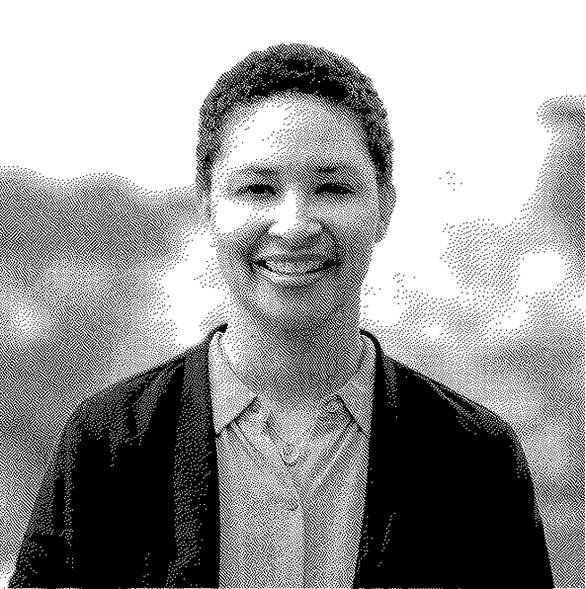
教授,哈佛大學
哈佛大學 James Bryant Conant University Professor,並在 Harvard Kennedy School 主持 Allen Lab for Democracy Renovation、在 Harvard Graduate School of Education 主持 Democratic Knowledge Project。她是受過古典學訓練的政治哲學家,研究橫跨民主理論與制度設計;目前研究社會如何引導人工智慧,使其帶來廣泛賦權,而非權力集中。她著有多部探討民主理論與實踐的書,包括《Justice by Means of Democracy》、《Our Declaration》,以及最新出版的《Radical Duke》(2026);她也在 Substack 發行探討重建美國民主的 The Renovator。她是 MacArthur Fellow,也是 Kluge Prize for Achievement in the Study of Humanity 得主;曾任 Mellon Foundation 與 Pulitzer Prizes 董事會主席,並創辦 Partners In Democracy,現任該組織董事會主席。
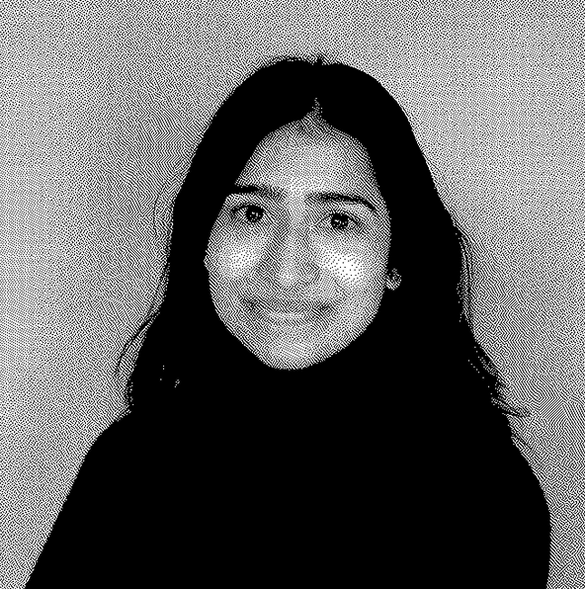
共同創辦人,Collective Intelligence Project
Divya Siddarth 是 Collective Intelligence Project(CIP)共同創辦人;該計畫致力於推動人工智慧開發的民主化。CIP 曾與臺灣數位發展部、UK AI Security Institute、OpenAI、Anthropic 及 Mistral 等夥伴合作,將新的治理模式應用於人工智慧,並打造由人工智慧支援的集體決策平臺。CIP 的工作已讓來自七十多個國家的數萬人參與形塑變革型人工智慧的未來。Divya 最近曾在 OpenAI Foundation 領導 Economic Futures 計畫。她先前曾在 UK AI Security Institute 建立社會影響職能,也曾在 Microsoft 的 Office of the CTO 擔任政治經濟學家。她獲選為 TIME 100 Most Influential People in AI 之一,目前正在 Oxford Internet Institute 完成博士學位。
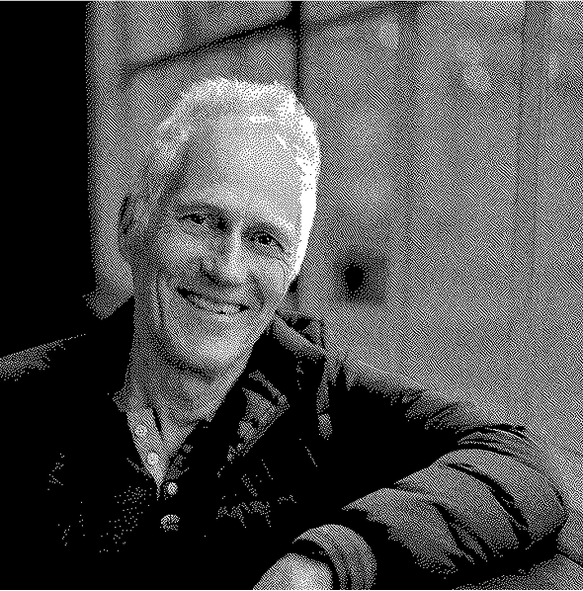
創辦人暨執行長,O’Reilly Media
O'Reilly Media, Inc. 創辦人暨執行長。他最初的商業計畫很簡單,就是「為有趣的人做有趣的工作」,結果相當不錯。他出版書籍、舉辦線上會議、投資早期新創,敦促企業創造的價值多於其獲取的價值,也試圖藉由傳播並放大創新者的知識來改變世界。 他最為人熟知的,或許是形塑了開放原始碼軟體、非會議(Foo Camp)、Web 2.0 與政府即平臺等重要理念。他 2017 年出版的《WTF? What’s the Future and Why It’s Up to Us》探討面對人工智慧浪潮時,人的能動性如何形塑未來。近來,他專注於人類—人工智慧經濟的機制設計,並透過與 Ilan Strauss 共同創辦的非營利計畫 AI Disclosures Project 探索這些理念。他也經常在 Substack 上透過 O’Reilly Radar、AI Disclosures Project 的 Asimov’s Addendum,以及 Conversations with AI 發表文章。
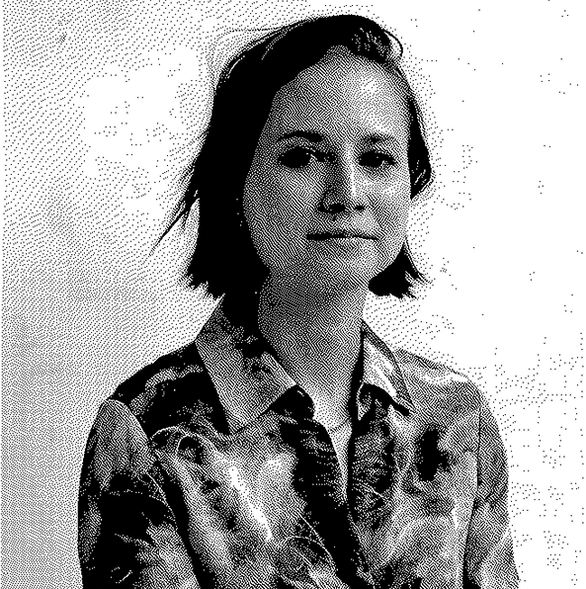
創辦人暨管理合夥人,Ex/Ante
Zoe Weinberg 是 ex/ante 創辦人暨管理合夥人;這家早期創投基金專注於能支持人的能動性,並讓使用者掌控隱私、資料、資產與資訊的科技。此前,Zoe 曾在 National Security Commission on Artificial Intelligence 與 Google AI 從事倫理與政策工作。再早之前,她聚焦於脆弱及受衝突影響的國家,曾在 2017 年打擊 ISIL 行動期間參與伊拉克 Mosul 的緊急應變,也曾任職於世界銀行(IFC),在超過十二個國家工作,包括 Somalia、South Sudan 與 Liberia。加入世界銀行前,她曾任職於 Goldman Sachs 的另類投資部門。她的研究與文章曾刊於 The New York Times、Foreign Affairs 等出版品;她也曾於 2021 至 2023 年間擔任由 Deep State Radio Network 製作的 Podcast 節目《Next in Foreign Policy》的主持人。Zoe 取得哈佛大學文學士、Yale Law School 法學博士與 Stanford Graduate School of Business 工商管理碩士學位;就讀該學院期間,她是 Knight Hennessy Scholar。

以太坊創辦人
Vitalik Buterin 於 2013 年構想出 Ethereum,撰寫其最初的白皮書,至今仍積極投入研究,並持續為該協定的技術與哲學方向作出貢獻。他共同創辦 Bitcoin Magazine,之後協助 Ethereum 於 2015 年上線;Ethereum 是用於智慧合約與去中心化應用程式的通用區塊鏈。他的工作橫跨密碼學、擴展技術、機制設計、隱私、公共財資助與去中心化治理。

研究員,Civic.AI
丹增央措是《⿻多元宇宙:協作科技與民主的未來》共同作者暨華文版製作人。現與牛津大學人工智慧倫理研究院(IEAI)合作,與唐鳳共同培育在地共築的「jdd-kami」智慧體,並撰文將藏傳佛教倫理與關懷倫理引入仁工智慧對話設計。她提出「資料土壤」概念,並曾於數位發展部提出數據公益政策方向。藏名「丹增央措」由第十四世達賴喇嘛親賜。
加入聯盟
反向對齊不是單一計畫,而是遍布各領域的一整組賭注——唯有夠廣的聯盟,才撐得起來。
如果你相信,打造社會系統的抱負,不該輸給打造演算法的抱負,請留下你的名字,把這份工作帶進你自己的領域。
加入聯盟 (在新分頁開啟)